
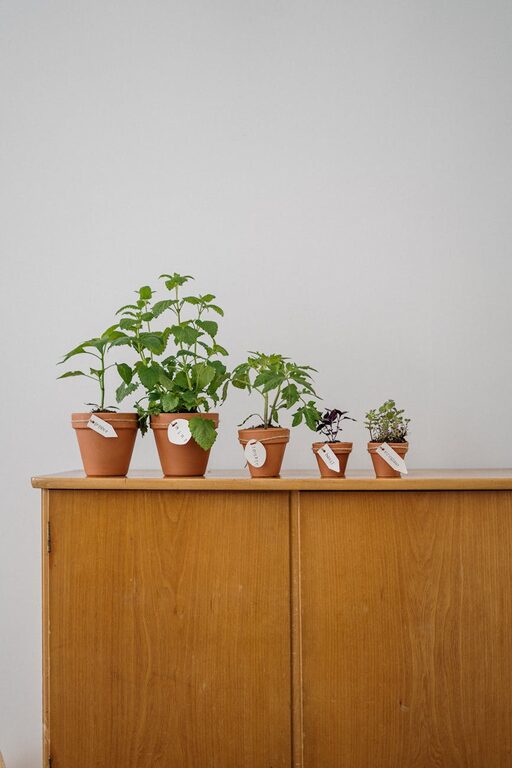
Growing your own herbs indoors is a rewarding way to bring freshness to your kitchen and add a touch of greenery to your living space. Whether you have a large windowsill or just a small corner, starting a small herb garden indoors is simple and enjoyable. This guide will walk you through everything you need to know to get your herb garden thriving.
Why Grow Herbs Indoors?
Indoor herb gardening has many benefits:
– Freshness at your fingertips: Snip herbs as you cook without running to the store.
– Year-round growth: Indoor conditions protect herbs from outdoor weather and seasons.
– Air quality improvement: Many herbs help purify indoor air.
– Decor and aroma: Herbs add a pleasant fragrance and natural beauty to your home.
Choosing the Right Herbs for Indoors
Some herbs adapt better to indoor growing than others. Here are a few popular, easy-to-grow options:
– Basil: Loves sunny spots and is great for many dishes.
– Mint: Hardy and fast-growing but best kept in its own pot to avoid overgrowth.
– Parsley: Grows well in moderate light and needs consistent moisture.
– Chives: Requires less light, perfect for kitchens with limited sunlight.
– Thyme: Prefers drier soil and bright light.
– Cilantro: Needs cooler temperatures and good airflow.
Pick herbs you enjoy cooking with and that suit your indoor conditions.
What You’ll Need to Get Started
Before planting, gather these essentials:
– Containers: Choose pots with drainage holes. Small pots are ideal for limited space but bigger pots can support long-term growth.
– Potting Soil: Use a well-draining potting mix designed for indoor plants.
– Light source: Natural sunlight is best. South or west-facing windows work well. If sunlight is insufficient, consider grow lights.
– Watering tools: A watering can with a narrow spout or a spray bottle.
– Fertilizer: A balanced liquid fertilizer diluted to half strength, every 4–6 weeks.
Step-by-Step Guide to Starting Your Herb Garden
1. Select Your Location
Find a spot that receives at least 4 to 6 hours of bright, indirect sunlight daily. A windowsill, countertop, or shelf near a window works well.
2. Prepare the Containers
Fill your pots with potting soil, leaving about an inch of space at the top. Check for drainage holes to avoid water-logging, which can harm roots.
3. Plant Your Herbs
You can start from seeds or purchase small starter plants.
– From seeds: Follow the instructions on the packet for depth and spacing. Keep the soil moist but not soaked.
– From transplants: Gently remove plants from their nursery pots and place them into your containers. Fill in with soil and press lightly.
4. Water Carefully
Water the soil until it’s evenly moist but not soggy. Allow the top inch of soil to dry before watering again. Overwatering leads to root rot.
5. Provide Adequate Light
If natural light isn’t enough, use LED grow lights designed for indoor plants. Position them 6–12 inches above the herbs for 12–16 hours per day.
6. Maintain Temperature and Humidity
Most herbs prefer a temperature between 65–75°F (18–24°C). Keep them away from cold drafts or heating vents. If air is dry, mist your plants occasionally or place a humidity tray nearby.
7. Feed Your Herbs
Feed your herbs with diluted liquid fertilizer every month or so. Be cautious not to over-fertilize, which can weaken the plants.
Tips for Successful Indoor Herb Gardening
– Rotate your pots weekly: This helps herbs get even light on all sides.
– Prune regularly: Harvesting leaves encourages new growth and keeps plants healthy.
– Watch for pests: Indoor gardens are less prone to pests, but check your plants regularly for any signs of aphids or mites.
– Keep herbs clean: Wipe the leaves gently to remove dust, helping them absorb light better.
– Use proper containers: Avoid using containers that are too large or too small. Herbs like parsley prefer a little more room, while basil thrives in moderate pots.
Troubleshooting Common Problems
– Yellowing leaves: Could be due to overwatering or poor drainage.
– Leggy plants: Usually caused by insufficient light. Move plants closer to a light source.
– Wilting: Often a sign of underwatering but can also mean root problems.
– Slow growth: Might need fertilizing or better light conditions.
What to Do With Your Homegrown Herbs
– Add fresh herbs directly to your meals for enhanced flavor.
– Dry them for later use by hanging in small bunches.
– Infuse in oils or vinegar for homemade condiments.
– Use in teas or homemade beauty products.
Final Thoughts
Starting a small herb garden indoors is an easy and satisfying way to enjoy fresh flavors and greenery every day. With the right selection of plants, proper care, and a little patience, your indoor herb garden can flourish and keep your kitchen full of delightful aromas and tastes year-round. Give it a try—you might discover a new hobby and a handy source of fresh herbs!
Happy gardening!