
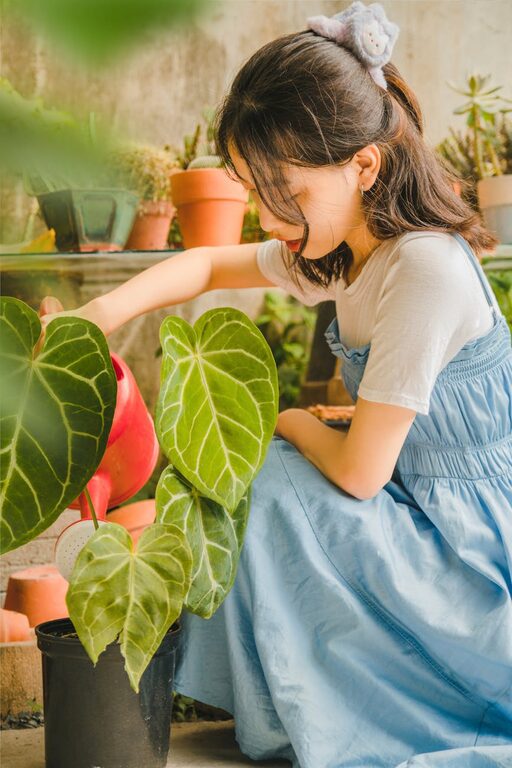
Bringing houseplants into your home not only adds a touch of nature but also creates a calming atmosphere. However, keeping them healthy requires some care and knowledge. Whether you’re a beginner or an experienced plant lover, these practical tips will help your indoor garden thrive.
Understanding Your Houseplants’ Needs
Every plant species has unique care requirements. Learning about your specific houseplants will improve your ability to provide the right environment.
Research Plant Requirements
– Light: Some plants prefer bright, indirect sunlight while others thrive in low light.
– Water: The watering needs vary widely; overwatering is a common cause of problems.
– Humidity: Tropical plants often need higher humidity levels.
– Temperature: Most houseplants prefer consistent, moderate indoor temperatures.
Be sure to check care tags or use gardening resources to understand what your plant needs.
Proper Watering Techniques
Watering is essential but often misunderstood. Both underwatering and overwatering can harm plants.
Tips for Effective Watering
– Check soil moisture: Before watering, stick your finger about an inch into the soil. If it feels dry, it’s time to water.
– Water thoroughly: When you water, do so until water drains from the bottom of the pot. This ensures roots get enough moisture.
– Avoid waterlogging: Make sure pots have drainage holes to prevent standing water.
– Adjust frequency: Water less during the plant’s dormant season, usually in winter.
Light Matters: Positioning Your Plants
Light influences photosynthesis, the process by which plants create energy. The right light conditions are vital for growth.
Finding the Spot
– South-facing windows: Generally provide the most light and are ideal for sun-loving plants.
– East or west-facing windows: Offer moderate light, good for plants needing indirect sunlight.
– North-facing windows: Receive limited light; suitable for low-light tolerant species.
Rotate your plants every few weeks to ensure even light exposure on all sides.
Maintaining Proper Humidity and Temperature
Indoor humidity and temperature can fluctuate, especially with heating or air conditioning.
How to Boost Humidity
– Use a humidifier: Especially helpful for tropical plants.
– Group plants: Plants release moisture; grouping them creates a more humid microenvironment.
– Misting: Lightly mist leaves occasionally, but avoid overdoing it to prevent mold.
Temperature Tips
Keep houseplants away from drafts, heating vents, or air conditioners. Most plants thrive at temperatures between 65°F and 75°F (18°C – 24°C).
Soil and Fertilization Basics
Healthy soil supports strong root systems and growth.
Choosing the Right Soil
Use quality potting mix appropriate for your plant’s needs. For example, succulents need well-draining soil, while ferns prefer richer, moisture-retentive soil.
Fertilize Wisely
Feed your plants during their active growth periods, typically spring and summer. Use a balanced, water-soluble fertilizer following package instructions. Avoid over-fertilizing, which can damage roots.
Pruning and Cleaning
Keeping plants tidy promotes growth and reduces pest risk.
Pruning Tips
– Remove yellowing or dead leaves.
– Trim leggy growth to encourage bushier development.
– Use clean, sharp scissors to avoid damaging the plant.
Cleaning Leaves
Dust can block sunlight and reduce photosynthesis. Wipe leaves gently with a damp cloth every few weeks.
Monitoring for Pests and Diseases
Houseplants can attract common pests like spider mites, aphids, or fungus gnats.
Early Detection
– Inspect plants regularly, including the undersides of leaves.
– Look for discolored spots, sticky residue, or webs.
Natural Remedies
– Wipe leaves with mild soapy water.
– Use neem oil or insecticidal soap as a safe treatment.
– Isolate affected plants to prevent spreading.
Repotting: When and How
Plants may outgrow their pots, requiring repotting to maintain health.
Signs It’s Time to Repot
– Roots growing out of drainage holes.
– Soil dries out quickly.
– Plant looks crowded or top-heavy.
Repotting Steps
– Choose a pot 1-2 inches larger in diameter.
– Gently remove the plant and loosen root balls.
– Place fresh potting mix in the new pot and position the plant.
– Water thoroughly after repotting.
Final Thoughts
Caring for houseplants can be immensely rewarding. The key is to observe your plants regularly and adjust care based on their needs. With patience and these tips, your indoor garden will flourish, bringing health and beauty to your living space for years to come.
Happy planting!