
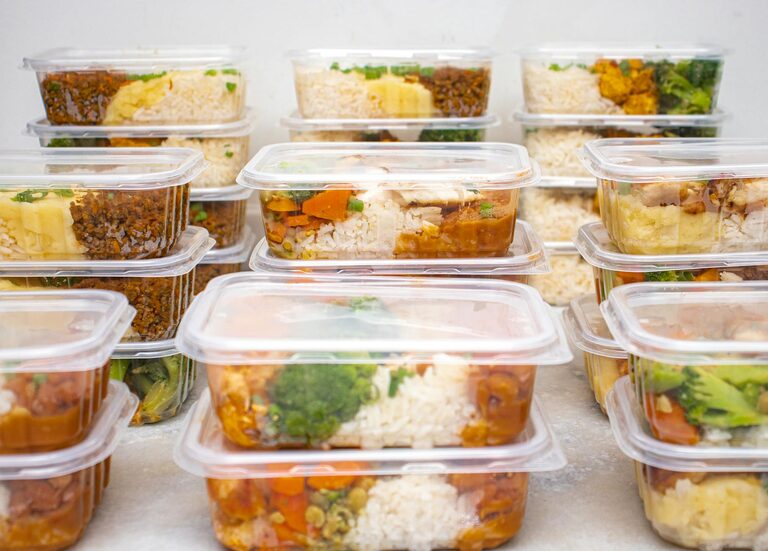
Creating a weekly meal plan can seem daunting at first, but with a few simple steps, it becomes an enjoyable and efficient routine. A well-prepared meal plan helps you save time, manage your grocery budget, reduce food waste, and make healthier choices. Whether you’re cooking for yourself, a family, or roommates, this guide will walk you through how to create a simple weekly meal plan that fits your lifestyle.
Why Create a Weekly Meal Plan?
Before diving into the how-to, it’s helpful to understand the benefits of meal planning:
– Saves time: Planning ahead means fewer last-minute decisions and less time wondering what to cook.
– Reduces stress: Knowing what’s on the menu for the week cuts down everyday mealtime stress.
– Controls expenses: Buying groceries based on a plan can reduce impulse purchases and food waste.
– Encourages balanced eating: Planning ahead allows you to include a variety of nutrients throughout the week.
Step 1: Assess Your Week and Preferences
Start by taking a moment to consider your schedule and food preferences for the upcoming week.
Review Your Calendar
Look at your week’s activities. Do you have busy days when cooking time is limited? Are there evenings when you’ll be dining out or attending social events? Knowing this helps you plan meals that fit your available time.
Consider Dietary Needs and Preferences
Think about any dietary restrictions, nutritional goals, or preferences you want to keep in mind. Are you aiming for more vegetables? Trying to reduce meat consumption? Planning for these in advance helps create enjoyable, balanced meals.
Step 2: Gather Meal Inspiration
Having a list of go-to meals makes weekly planning quicker and less stressful.
Collect Recipe Ideas
Create a list or folder of favorite recipes that are easy and enjoyable. These can be breakfast options, lunch staples, dinner recipes, or snacks. Consider meals that share ingredients to simplify shopping.
Use Seasonal Ingredients
Choosing recipes centered around seasonal produce can improve flavor and reduce costs. Plus, it keeps your meals varied.
Step 3: Create Your Weekly Meal Plan Template
You can use a simple paper planner, a printable template, or a digital app for your meal plan. Set up slots for each meal and snack for each day.
Plan Meals by Day
Assign meals to days based on your calendar. For example:
– Monday: Quick pasta dinner (busy evening)
– Tuesday: Slow cooker chili (prep in the morning)
– Wednesday: Salad with grilled chicken (lighter meal)
– Thursday: Stir-fry with veggies (easy and fast)
– Friday: Homemade pizza (fun and flexible)
– Saturday: Batch-cooked roasted veggies and quinoa
– Sunday: Leftover day or dining out
Step 4: Make a Grocery List
Once your meals are planned, write down all the ingredients you’ll need.
Check Your Pantry
Before making the list, check what you already have to avoid buying duplicates.
Organize Your List by Grocery Sections
Group items by produce, dairy, pantry staples, meats, and frozen goods. This makes shopping faster and more efficient.
Step 5: Prep Ahead When Possible
Meal prep can save significant time during the week.
Chop, Cook, and Store
Set aside time after shopping to wash and chop vegetables, cook grains, or portion snacks.
Batch Cooking
Prepare larger quantities of meals such as soups, stews, or casseroles that can be refrigerated or frozen for later.
Step 6: Stay Flexible and Adjust
Meal planning is a tool, not a rulebook.
Swap Meals If Needed
Feel free to rearrange meals based on how your week unfolds.
Use Leftovers Creatively
Incorporate leftovers into new meals — such as turning roasted vegetables into a wrap or salad.
Tips for Successful Meal Planning
– Start small: Plan just a few meals at first as you get used to the routine.
– Include simple meals: Not every meal needs to be elaborate; easy options reduce pressure.
– Get the family involved: Ask for input to keep everyone happy.
– Keep a running list: Add new recipes you like to your collection for future plans.
– Use apps or tools: There are many free meal-planning tools if you prefer digital options.
Conclusion
Creating a simple weekly meal plan is a practical way to organize your cooking, save time, and eat well. By assessing your schedule, collecting recipe ideas, planning meals thoughtfully, making a structured grocery list, prepping ahead, and staying flexible, meal planning becomes a manageable and rewarding habit. Give it a try next week and enjoy the benefits of stress-free cooking!