
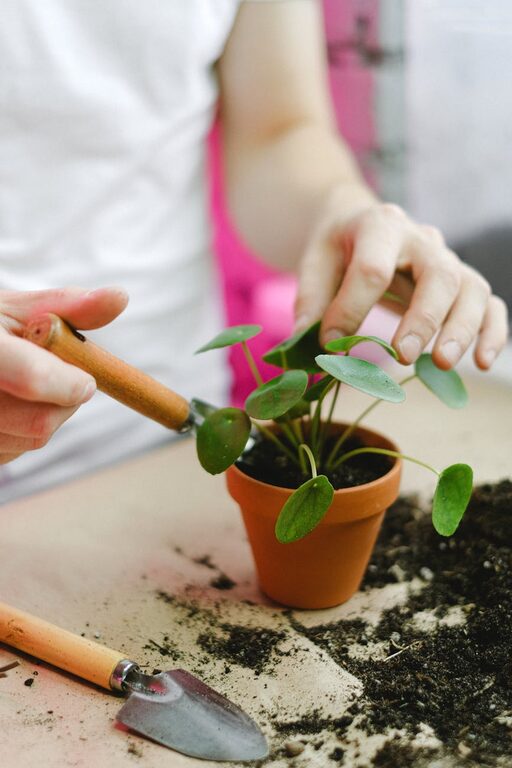
Bringing houseplants into your home adds beauty, improves air quality, and can even boost your mood. However, keeping them healthy requires some understanding of their needs. Whether you’re new to plant care or have a collection that’s growing, these tips will help your indoor plants flourish.
Choose the Right Plants for Your Space
Not all plants are suited for every home environment. Consider factors like light levels, temperature, and humidity before selecting your plants.
– Assess Lighting Conditions: Determine if your space has bright, indirect, low, or direct sunlight.
– Match Plants to Light: Succulents and cacti thrive in bright light, while plants like pothos and snake plants do well in low to medium light.
– Consider Temperature: Most houseplants prefer temperatures between 65-75°F (18-24°C). Avoid placing plants near drafts or heating vents.
Watering Wisely: The Key to Healthy Plants
Overwatering is one of the most common reasons houseplants fail. Understanding your plant’s watering needs can prevent root rot and other problems.
– Check Soil Moisture: Before watering, stick your finger about an inch into the soil. If it feels dry, it’s time to water.
– Water Evenly: Water until it drains out of the bottom of the pot to ensure roots receive moisture.
– Avoid Standing Water: Empty saucers under pots after watering to prevent soggy soil and pests.
Provide Proper Light and Rotate Regularly
Plants need light to photosynthesize and grow healthy foliage.
– Use Natural Light: Position plants near windows matching their light requirements.
– Supplement with Artificial Light: If sunlight is insufficient, consider grow lights designed for plants.
– Rotate Plants: Turn your plants every week or two so all sides receive light evenly, promoting balanced growth.
Maintain Ideal Humidity and Temperature
Indoor environments can often be dry, especially in winter.
– Increase Humidity: Use a humidifier, place water trays near plants, or group plants together to raise humidity.
– Misting Plants: Lightly mist tropical plants occasionally but avoid overdoing it to prevent fungal issues.
– Keep Stable Temperatures: Avoid cold drafts and sudden temperature changes, which stress plants.
Use Quality Soil and Fertilize Appropriately
Healthy soil supports healthy roots and plant growth.
– Choose the Right Potting Mix: Use soil blends designed for houseplants or specific plant types (e.g., succulents, orchids).
– Repot When Needed: Repot every 1-2 years or when roots outgrow the container.
– Fertilize During Growing Season: Feed plants with fertilizer every 4-6 weeks during spring and summer using a balanced, water-soluble fertilizer diluted to half-strength.
Keep an Eye Out for Pests and Diseases
Early detection helps prevent damage from pests or infections.
– Inspect Regularly: Check leaves and stems for signs of pests like aphids, spider mites, or mealybugs.
– Use Gentle Treatments: Wipe leaves with soapy water or apply natural remedies such as neem oil.
– Remove Damaged Leaves: Trim yellow or dead leaves to promote healthy growth.
Clean Your Plants and Containers
Dust and debris can block light and create conditions for pests.
– Wipe Leaves: Gently clean leaves with a damp cloth every few weeks.
– Clean Pots and Saucers: Wash containers periodically to prevent disease buildup.
– Keep the Area Tidy: Remove fallen leaves and debris from soil surface.
Monitor Growth and Adjust Care as Needed
Each plant is unique and may require different care as it grows.
– Observe Changes: Leaf color, size, and growth rate can signal if your plant needs more or less water, light, or fertilizer.
– Adapt to Seasons: Plants often need less water and fertilizer during winter dormancy.
– Prune for Shape and Health: Trim leggy or overgrown branches to encourage fuller growth.
—
By following these simple and effective tips, your houseplants will remain healthy and add life to your home for years to come. Consistent care and attention go a long way in building a thriving indoor garden. Happy planting!