
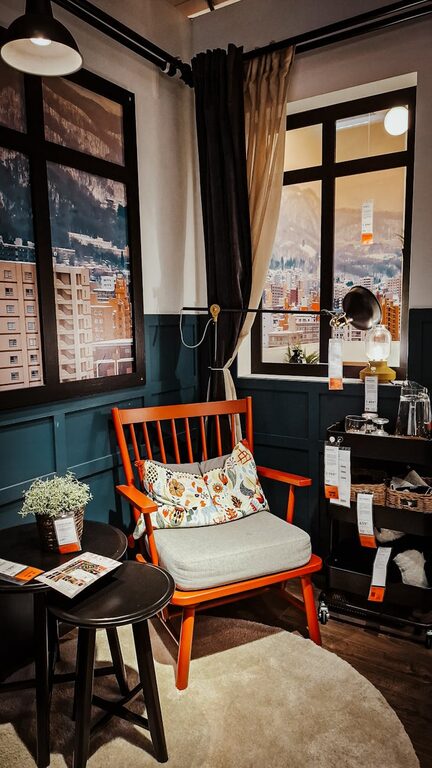
Creating a comfortable and inviting atmosphere in your home is largely influenced by the lighting you choose. Good lighting not only helps you perform daily tasks but also sets the mood, highlights decor, and improves the overall ambiance. When selecting lighting for your home, it’s important to think beyond just brightness and consider factors like warmth, placement, and style.
In this post, we’ll explore practical tips for choosing comfortable home lighting that suits your needs and enhances your living spaces.
Why Comfortable Lighting Matters
Comfortable lighting affects both the functionality and the feel of your rooms. Harsh or overly bright lights can cause eye strain and make spaces feel cold or uninviting. On the other hand, well-considered lighting makes rooms more relaxing, welcoming, and enjoyable to spend time in.
Balancing natural and artificial light sources and varying the type and intensity of lighting ensures flexibility and comfort throughout the day.
Understanding Different Types of Home Lighting
Before choosing fixtures, it’s helpful to understand the main types of lighting and where they’re best applied.
Ambient Lighting
This is the general, overall light in a room. It illuminates the whole space, allowing you to move around safely and comfortably. Ceiling-mounted lights, chandeliers, and recessed lights often provide ambient lighting.
Task Lighting
Task lighting focuses light on specific areas where activities like reading, cooking, or working are done. Desk lamps, under-cabinet lights, and pendant lights over kitchen islands are examples.
Accent Lighting
Accent lighting adds drama or emphasis to particular features, such as artwork, plants, or architectural details. Spotlights and wall sconces typically serve this purpose.
Using a layered lighting approach—combining ambient, task, and accent lighting—creates depth and comfort in any room.
Tips for Choosing Comfortable Lighting
1. Consider Light Color Temperature
The color temperature of light is measured in Kelvins (K). It affects the mood and perceived warmth of the room.
– Warm White (2700K – 3000K): Creates a cozy, relaxing atmosphere ideal for living rooms and bedrooms.
– Neutral White (3500K – 4100K): Offers a balanced, natural light suitable for kitchens, bathrooms, and workspaces.
– Cool White (5000K+): Bright and energetic, good for task-heavy areas but can feel sterile if overused.
For comfort, most home areas benefit from warm or neutral white tones rather than cool white.
2. Use Dimmers and Adjustable Lighting
Installing dimmer switches or lamps with adjustable brightness lets you control light intensity based on the time of day or activity. This flexibility can turn a bright workspace into a soft, relaxing environment within seconds.
3. Avoid Direct Glare
Lights that shine directly into the eyes cause discomfort and strain. Choose fixtures with shades, diffusers, or indirect lighting such as uplights or wall washers to soften and distribute light evenly.
4. Match Lighting to Room Function
Think about how you use each space:
– Living Rooms: Layer soft ambient lighting with task lights for reading; add accent lights to highlight decor.
– Kitchens: Bright task lighting over counters and islands for cooking; ambient lighting for overall illumination.
– Bedrooms: Warm, dimmable lights for a relaxing vibe; bedside lamps for reading.
– Bathrooms: Neutral white lights for grooming; avoid harsh lighting that creates strong shadows.
5. Use Multiple Light Sources
Rather than relying on a single overhead fixture, combine various lights throughout the room. This approach reduces shadows, enhances layering, and makes the environment more adaptable.
6. Choose Energy-Efficient Bulbs
LED bulbs consume less energy, last longer, and are available in a wide range of color temperatures. Opting for LEDs helps reduce your electricity bill while allowing for comfortable, quality lighting.
7. Pay Attention to Fixture Style and Placement
While comfort relies on light quality, fixture design and placement impact your overall satisfaction.
– Position lights where they serve your needs best.
– Use pendant lights or chandeliers as focal points.
– Choose fixtures that complement your interior style to enhance visual comfort as well.
8. Incorporate Natural Light
Maximize natural daylight by using sheer curtains or keeping windows clear of heavy obstructions. Natural light improves mood and comfort but should be balanced with window treatments that prevent glare during peak sun hours.
Final Thoughts
Selecting comfortable home lighting involves a balance of style, function, and atmosphere. By understanding the types of lighting, choosing the right color temperature, adding layers, and focusing on energy efficiency, you can create a cozy, versatile environment in every room.
Remember, good lighting is flexible and adapts to your lifestyle. Don’t hesitate to experiment with different bulbs, fixture placements, and dimmer settings until you find the perfect combination for your home.
—
With these tips in mind, your home can become a brighter, more comfortable place to live and relax!